Summer hits, and suddenly your home becomes the one place you either love or avoid. The difference often comes down to one thing: how well your cooling system performs when it matters most. Choosing between a heat pump and central air isn’t just about comfort. It’s about energy costs, long-term savings, and how efficiently your home runs every single day.
If you’ve been researching heat pump installation, you’ve probably noticed just how many options are out there. It can feel overwhelming. Some systems promise better efficiency, others focus on affordability, and a few claim to do it all. But the reality is simpler than it looks. Each system has its strengths, and the best choice depends on your home, your climate, and your priorities.
This guide breaks it all down in plain English. No jargon, no confusion. Just real insights to help you decide which system actually fits your life. By the end, you’ll know exactly what works best for your home and why.
Understanding The Core Difference Between Heat Pump Systems and Central Air Conditioning Units
Let’s start with the basics. Both systems cool your home, but they don’t work the same way.
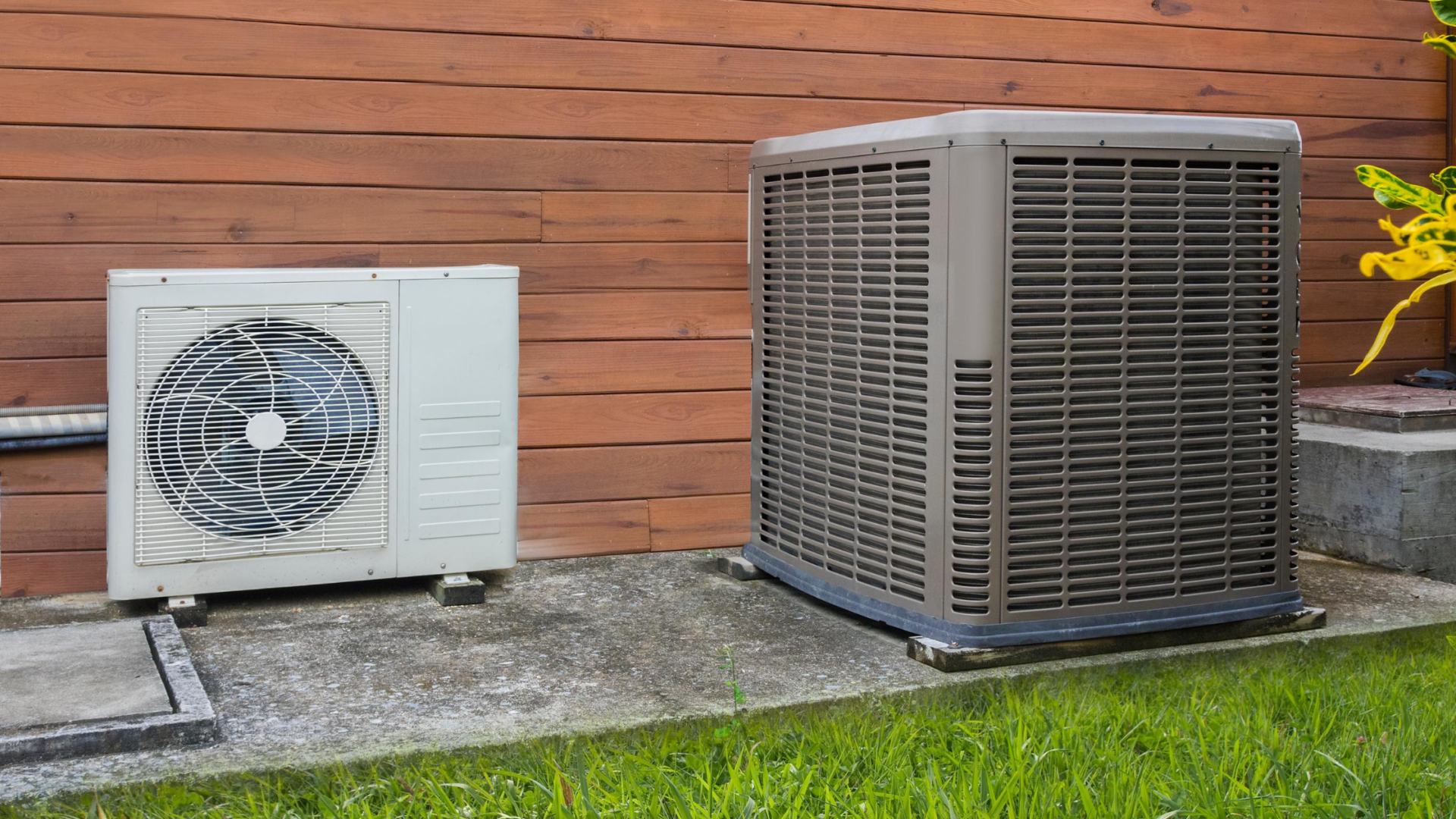
A heat pump is a dual-function system. It cools your home in summer and heats it in winter. Instead of generating heat, it transfers it. During hot months, it pulls heat from inside your home and moves it outside. In colder months, it reverses the process.
Central air conditioning systems, on the other hand, are designed purely for cooling. They remove heat from your indoor air and push it outside, but they don’t help when temperatures drop. That means you’ll need a separate heating system, usually a furnace.
This difference might seem small at first, but it has a big impact on installation, cost, and energy use over time.
Why More Homeowners Are Choosing Heat Pump Installation Over Traditional Cooling Systems
There’s a reason more people are leaning toward heat pump installation today. It’s not just about cooling anymore. It’s about flexibility and long-term value.
Heat pumps handle both heating and cooling in one system. That alone reduces the need for multiple units in your home. Fewer systems mean less maintenance, fewer repairs, and more consistent performance year-round.
They’re also known for strong cooling efficiency. Instead of burning fuel, they move heat, which uses less energy. That translates into lower monthly bills, especially in moderate climates.
Another advantage is access to heat pump rebates. Many regions offer incentives to encourage energy-efficient upgrades. These rebates can significantly reduce upfront costs, making heat pumps more accessible than ever.
And then there’s comfort. Heat pumps tend to maintain more consistent indoor temperatures. No sudden blasts of cold air. Just steady, even cooling that feels natural.
Central Air Conditioning and Ac Replacement Explained for Homeowners Considering an Upgrade
Central air still holds its ground for a reason. It’s reliable, widely available, and familiar to most homeowners.
If your current system is outdated, an AC replacement might seem like the easiest path forward. You already have ductwork in place, and the transition is usually straightforward.
Central air systems are powerful. They’re especially effective in larger homes where consistent airflow is important. If you live in an area with extremely hot summers, central air can deliver strong, dependable cooling.
However, there are trade-offs. Since central air only handles cooling, you’ll need a separate heating system. That means higher installation and maintenance costs over time.
There’s also energy consumption to consider. Traditional central air systems often use more electricity compared to modern heat pumps. That difference shows up on your utility bill month after month.
Comparing Energy Efficiency and Seer Rating Between Heat Pumps and Central Air Systems
Energy efficiency isn’t just a buzzword. It directly affects how much you spend every month.
One key factor to look at is the SEER rating. This measures how efficiently a system cools your home over an entire season. The higher the rating, the better the performance.
Heat pumps typically offer higher ratings compared to standard central air units. That means they use less energy to achieve the same level of comfort. Over time, this adds up to noticeable savings.
Central air systems can still be efficient, especially newer models. But they often don’t match the overall performance of a high-quality heat pump. If energy savings matter to you, this is one of the biggest deciding factors.
Exploring Ductless Ac and Mini Split Options for Modern Hvac Installation Needs
Not every home is built the same, and not every cooling solution should be either.
That’s where ductless AC and mini split systems come into play. These systems don’t rely on traditional ductwork. Instead, they deliver air directly into specific rooms or zones.
This setup offers a lot of flexibility. You can cool certain areas without wasting energy on unused spaces. It’s ideal for smaller homes, room additions, or older properties without existing ducts.
Mini splits are often paired with heat pump technology, giving you both heating and cooling in one compact system. They’re quiet, efficient, and surprisingly powerful for their size.
From an HVAC installation standpoint, they’re also easier to install. Less construction, fewer disruptions, and faster results.
Breaking Down Installation Costs And Long-Term Savings Between HVAC Installation Options
Cost is always part of the conversation. And it’s not just about what you pay upfront. It’s about what you spend over time.
Heat pumps usually come with a higher initial price tag compared to central air systems. But that doesn’t tell the full story. Because they handle both heating and cooling, you’re essentially investing in two systems at once. That reduces the need for a separate furnace and lowers maintenance costs.
On the other hand, central air systems are often cheaper to install if your home already has ductwork. But you’ll still need a heating system, which adds to the total expense.
Over the years, energy savings from a heat pump can offset the initial investment. It’s a classic case of paying more upfront to save more later.
Comfort Levels, Climate Considerations, And the Role of Dual Function Systems in Everyday Living
Comfort isn’t just about temperature. It’s about how your home feels throughout the day.
Heat pumps excel in maintaining consistent conditions. Their dual function design allows them to adjust gradually, avoiding sudden temperature swings.
Central air systems can cool quickly, which is great during extreme heat. But they often cycle on and off, leading to noticeable fluctuations.
Climate plays a big role here. Heat pumps perform best in moderate regions where temperatures don’t drop too low. In colder climates, they may need backup heating.
Central air systems paired with furnaces tend to perform better in areas with harsh winters. So, the right choice depends on where you live and what kind of comfort you prefer.
Maintenance, Lifespan, And What Homeowners Should Expect from Their Cooling Systems
No one wants to deal with constant repairs. That’s why maintenance matters.
Heat pumps generally require regular servicing since they run year-round. But because they combine functions, you’re maintaining one system instead of two.
Central air systems may run less frequently, but they’re still part of a larger setup that includes a furnace. That means more components to monitor and maintain.
In terms of lifespan, both systems can last well over a decade with proper care. The key is consistent maintenance and timely upgrades when needed.
How Solar and HVAC Pairing Can Transform Your Energy Savings and Home Efficiency
Energy efficiency doesn’t stop at your cooling system. It extends to how your entire home operates.
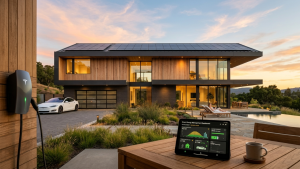
One growing trend is solar and HVAC pairing. By combining renewable energy with efficient cooling systems, homeowners can significantly reduce their reliance on traditional power sources.
Heat pumps work especially well in this setup. Since they use electricity rather than fuel, they can take full advantage of solar energy. The result is lower utility bills, reduced environmental impact, and a home that feels future-ready.
Looking Beyond Cooling: Home Upgrade Options That Complement Your HVAC System
Cooling systems are just one part of the bigger picture.
Many homeowners are now exploring home upgrade options that improve overall efficiency. This includes better insulation, upgraded windows, and modern ventilation systems.
These improvements don’t just enhance comfort. They also reduce the workload on your HVAC system, helping it performs better and last longer.
When everything works together, your home becomes more efficient, more comfortable, and more cost-effective to maintain.
Making The Right Cooling Decision for Long-Term Comfort and Efficiency
Choosing between a heat pump and central air isn’t about picking the “better” system. It’s about choosing what fits your home, your lifestyle, and your long-term goals. Both options have their place, and both can deliver reliable comfort when installed correctly.
If you’re leaning toward heat pump installation, you’re looking at a system that offers flexibility, energy savings, and year-round performance. It’s a smart option for homeowners who want more from a single investment.
Central air, on the other hand, remains a solid choice for those who prioritize strong cooling and already have a separate heating system in place.
The best decision comes down to understanding your needs and working with professionals who can guide you through the process.
If you’re ready to take the next step, don’t wait. Book a free HVAC consultation and explore the solution that truly fits your home. With the right system in place, comfort stops being a seasonal concern and becomes a daily guarantee.