The way we drive is changing, and for many homeowners, that change starts right in their driveway. Electric vehicles are no longer a futuristic concept; they’re becoming part of everyday life. With rising fuel costs and a growing awareness of environmental impact, more families are switching to EVs and asking the same question: how do I make charging simple, reliable, and cost-effective at home?
That’s where EV charger installation comes in. Instead of relying on public charging stations or waiting in line, having your own setup at home gives you convenience, control, and peace of mind. Imagine waking up every morning to a fully charged car, ready for the day ahead. It’s not just about saving time; it’s about making your daily routine smoother.
For homeowners, installing an EV charger is more than just a technical upgrade. It’s a lifestyle shift. It connects your home to a cleaner energy future while adding long-term value to your property.
Whether you’re new to electric vehicles or already own one, understanding how home charging works can make all the difference in your experience.
Why More Homeowners Are Choosing EV Charger Installation and Upgrading to A Home Charging Station
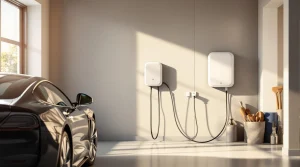
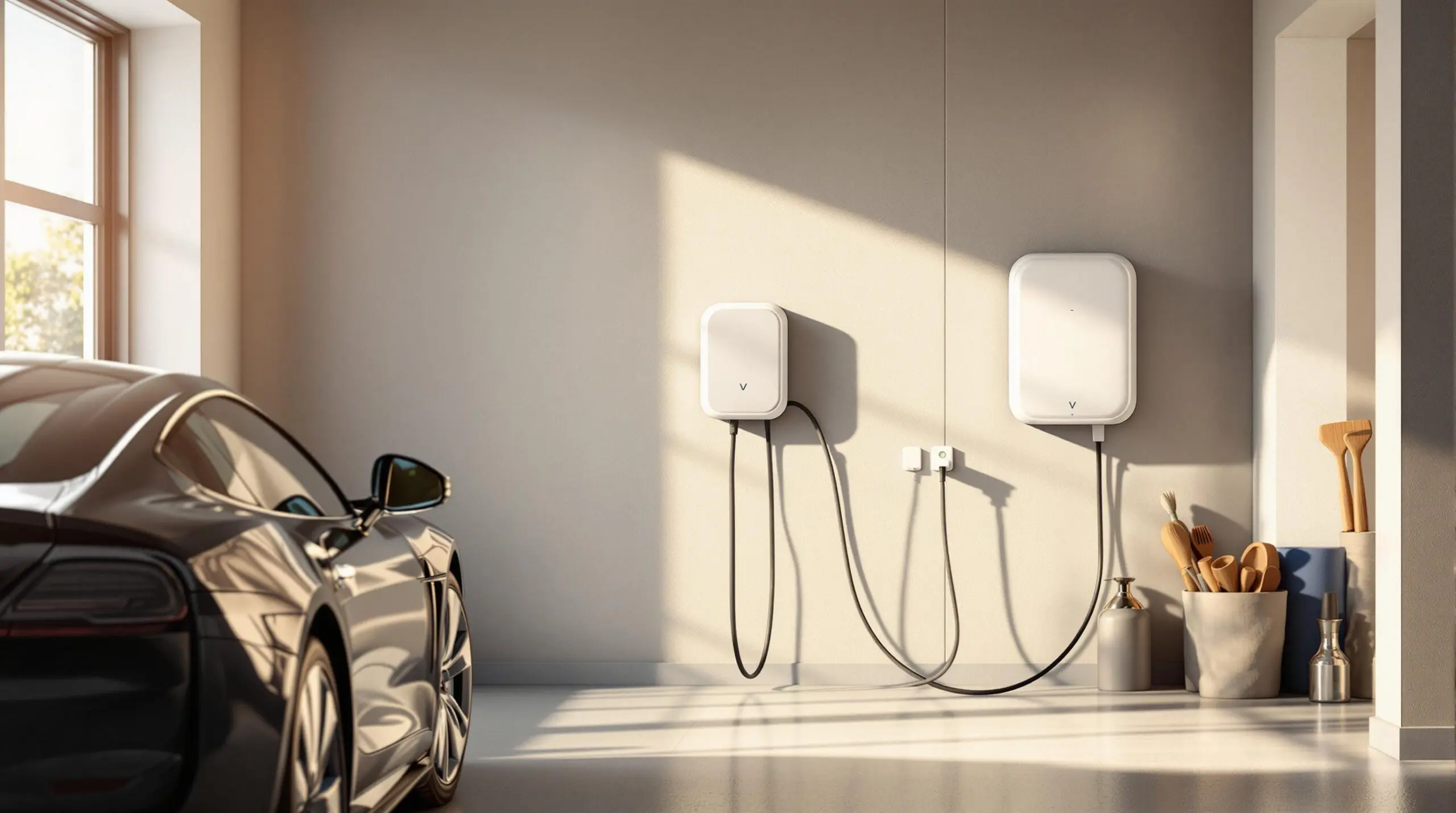
Owning an electric vehicle changes how you think about energy. Instead of stopping at gas stations, your home becomes your personal fueling hub. That’s one of the biggest reasons why homeowners are investing in a home charging station.
Convenience is the first thing people notice. No more detours or planning your day around charging stops. You plug in your car overnight, and it’s ready when you are. For busy households, this simplicity is a game-changer.
Then there’s cost efficiency. Charging at home is often significantly cheaper than using public stations, especially when combined with off-peak electricity rates. Over time, those savings add up in a meaningful way.
There’s also the matter of property value. Homes equipped with EV charging capabilities are becoming increasingly attractive to buyers. It signals that the property is future-ready and energy-conscious.
This shift fits perfectly into a broader vision. It’s not just about installing equipment, it’s about helping homeowners take control of their energy use while creating smarter, more efficient living spaces.
Understanding Level 2 Charger Options and Electrical Panel Upgrade Requirements for Modern Homes
When it comes to home charging, not all setups are created equal. The type of charger you choose directly impacts how quickly and efficiently your vehicle powers up.
Most homeowners start by comparing Level 2 vs Level 1 charging systems. Level 1 chargers are basic and plug into standard outlets, but they’re slow, sometimes taking more than a full day to charge a vehicle. In contrast, a Level 2 charger offers much faster performance, making it the preferred choice for daily use.
However, installing a Level 2 system often requires an electrical panel upgrade. This is because these chargers demand more power than a typical household circuit can provide. Your home’s panel amperage plays a key role here. If your panel doesn’t have enough capacity, upgrades become necessary to ensure safe and reliable operation.
This might sound like a big step, but it’s a common part of modern home improvement. In fact, many homeowners take this opportunity to future-proof their electrical systems for other upgrades as well.
The goal is simple: create a setup that meets your current needs while preparing your home for what’s next.
What The EV Charger Installation Process Looks Like From Start To Finish
If you’ve never gone through an installation process like this before, it’s natural to wonder what to expect. The good news is that it’s more straightforward than most people think.
It starts with an assessment. Professionals evaluate your home’s electrical system, garage or parking layout, and energy usage patterns. This helps determine the best placement and type of charger.
Next comes planning and permits. Depending on your location, certain approvals may be required to ensure everything meets safety standards. A qualified installer handles this step, so you don’t have to worry about paperwork.
Then comes the installation itself. This includes wiring, mounting the charger, and integrating it with your home’s electrical system. The process is usually completed within a day, though more complex setups may take longer.
Finally, there’s testing and guidance. Once everything is in place, the system is tested to ensure it works perfectly. You’ll also get a walkthrough on how to use your charger efficiently.
The result? A seamless transition from relying on public infrastructure to enjoying the comfort of charging at home.
How Charging Speed, EVSE Technology, And Daily Usage Patterns Impact Your Experience
Charging isn’t just about plugging in, it’s about how efficiently your system works with your lifestyle. This is where understanding charging speed and EVSE (Electric Vehicle Supply Equipment) becomes important.
Charging speed determines how quickly your vehicle gains range. For someone who drives long distances daily, faster charging can make a huge difference. On the other hand, if your commute is short, even moderate speeds may be more than enough.
EVSE acts as the bridge between your home and your vehicle. It manages power flow, ensures safety, and communicates with your car during charging. Modern systems come with smart features, allowing you to schedule charging times, monitor energy usage, and even control the process remotely.
Daily habits also play a role. Some homeowners prefer overnight charging, while others top up during the day. Understanding your routine helps you get the most out of your setup.
This isn’t just about technology; it’s about making your system work for you in a way that feels natural and effortless.
Combining Solar EV Solutions With Home Upgrades With Solar For Long-Term Savings
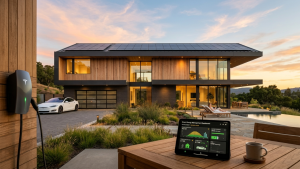
For homeowners looking to go a step further, combining EV charging with solar energy opens up new possibilities. A solar EV setup allows you to power your vehicle using clean, renewable energy generated right at home.
This approach reduces reliance on the grid and can significantly lower your electricity bills over time. It also aligns perfectly with the idea of sustainability, driving an electric car powered by solar energy creates a truly low-impact lifestyle.
Many homeowners explore this option alongside broader home upgrades with solar. This might include installing solar panels, improving insulation, or upgrading HVAC systems. Together, these changes create a more efficient and comfortable living environment.
There’s also a sense of independence that comes with generating your own energy. It’s not just about savings, it’s about control and resilience.
Planning A Solar Install for Ev Owners While Preparing for Future Energy Needs
As electric vehicles become more common, planning ahead becomes increasingly important. A thoughtful solar install for EV owners isn’t just about meeting today’s needs, it’s about anticipating what’s next.
Start by considering your future energy usage. Will you add another EV to your household? Are you planning other upgrades that will increase electricity demand? Thinking ahead can help you avoid costly adjustments later.
Battery storage is another factor worth exploring. It allows you to store excess solar energy for use at night or during outages, adding another layer of reliability to your system.
Smart home integration is also becoming more popular. Imagine a setup where your car, solar panels, and home systems all work together seamlessly. This level of coordination isn’t far off, it’s already happening in many modern homes.
Planning your installation with flexibility in mind ensures that your home stays efficient and adaptable for years to come.
Common Challenges Homeowners Face and How to Overcome Them Without Stress
Every home is different, and that means every installation comes with its own set of challenges. The key is knowing what to expect and how to handle it.
One common issue is limited electrical capacity. If your panel can’t support a new charger, upgrades become necessary. While this adds to the initial cost, it also improves your home’s overall electrical performance.
Another challenge is installation location. Not every garage or driveway is designed with EV charging in mind. Finding the right placement may require creative solutions, but experienced installers can usually make it work.
Permits and regulations can also feel overwhelming. That’s why working with professionals’ matters, they handle the details so you don’t have to.
The most important thing is not to see these challenges as obstacles, but as part of the process. With the right guidance, they’re manageable and often lead to better long-term results.
Making The Switch to Smarter Home Energy and Everyday EV Convenience
Bringing EV charging into your home is one of those decisions that quickly becomes part of everyday life. What starts as a practical upgrade soon turns into something much more, convenience, savings, and a sense of control over how you use energy.
Choosing EV charger installation means you’re no longer dependent on external infrastructure. Your home becomes the center of your energy ecosystem, supporting not just your vehicle but your broader lifestyle. It’s a shift that makes daily routines easier while also contributing to a cleaner environment.
For homeowners working with GM Solar, the experience goes beyond installation. It’s about creating a smarter, more efficient home that evolves with your needs. From integrating solar solutions to upgrading essential systems, every step is designed to bring lasting value.
If you’ve been thinking about making the switch, there’s no better time to act. The technology is ready, the benefits are clear, and the process is more accessible than ever.
Take the next step toward a more convenient and energy-efficient lifestyle, install an ev charger at home and transform the way you power your drive.