Switching to solar energy is more than just installing panels on your roof. It’s about understanding how your system performs every single day. Homeowners and businesses alike want clarity like how much energy is being generated, where it’s going, and whether everything is running efficiently.
That’s where monitoring platforms come into play. They don’t just show numbers; they tell the story of your energy system in real time.
When comparing platforms like Enphase monitoring, the focus often shifts to how detailed, reliable, and user-friendly the insights really are. Because let’s be honest, if you can’t easily understand your solar performance, you’re missing out on one of the biggest advantages of going solar. The ability to track, optimize, and act on real data is what turns a solar system from “good” into “great.”
In this guide, we’re going to walk through how Enphase and SolarEdge monitoring systems compare, what makes each unique, and which one truly gives you better insight into your energy future. Whether you’re a homeowner looking to cut costs or a business aiming for efficiency, this breakdown will help you make a confident decision.
How Enphase Monitoring and Solaredge Monitoring Define the Solar Experience for Users
Monitoring systems are not just add-ons, they’re the control centers of your solar setup. Both Enphase monitoring and SolarEdge monitoring aim to give users visibility, but they approach it differently.
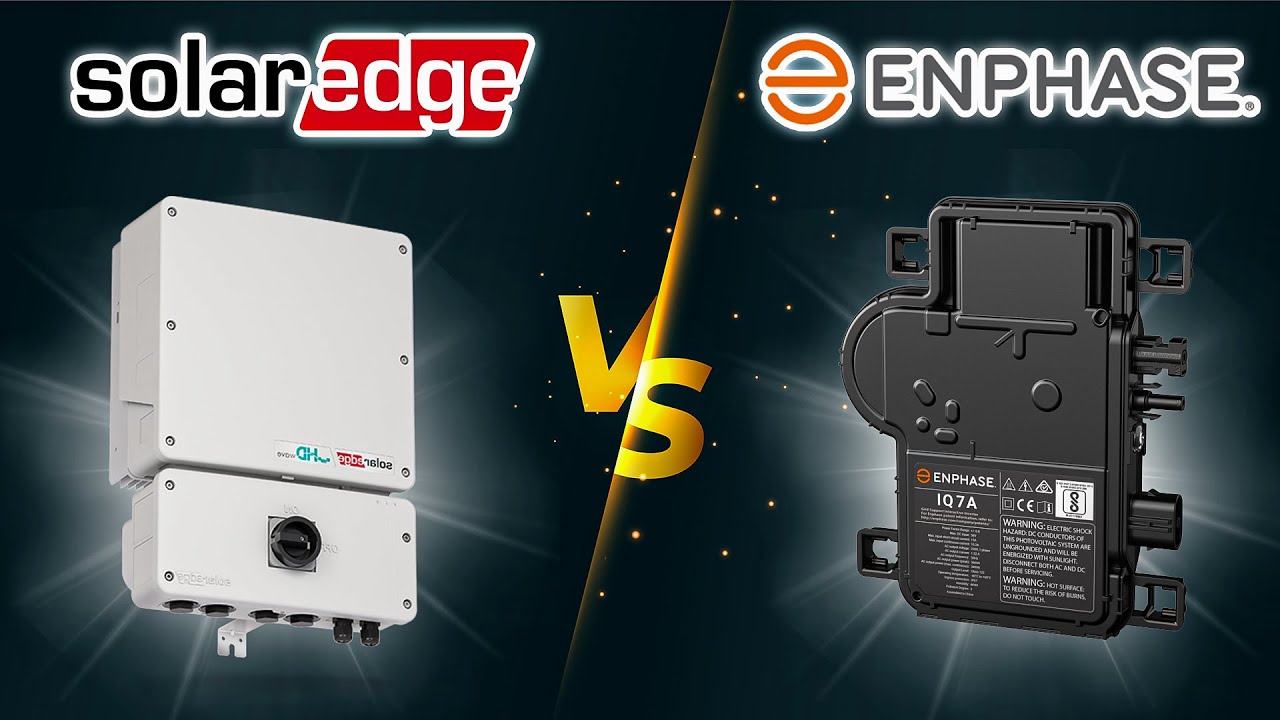
Enphase builds its ecosystem around microinverters. Each panel operates independently, which means the monitoring system reflects that structure. You can see exactly how each panel performs, right down to individual output levels.
SolarEdge, on the other hand, uses a string inverter system with power optimizers. While it still offers detailed insights, the architecture is slightly different. The system groups panels more than Enphase does, but still provides valuable breakdowns.
For users, the experience comes down to how much control and transparency they want. If you’re someone who likes granular data and complete oversight, your preference will lean one way. If you’re more focused on system-wide performance, you may lean the other.
A Deep Look into Solar Panel Monitoring and Real Time Solar Data Accuracy and Reliability
Accuracy is everything when it comes to solar panel monitoring. If your system reports incorrect data, it can lead to poor decisions and unnoticed inefficiencies.
Enphase stands out for its ability to deliver highly precise real time solar data. Because each panel has its own microinverter, the system captures performance metrics individually. This makes it easier to identify inconsistencies and address them quickly.
SolarEdge also provides real-time updates, but its structure can sometimes mean slightly less granularity. That said, it still offers excellent visibility for most users and is more than sufficient for understanding overall performance trends.
In practical terms, both systems are reliable. But if your priority is pinpoint-level accuracy, especially for larger systems, Enphase tends to offer a more detailed picture.
Why Enphase Monitoring Excels with Panel-Level Insights and Fault Detection Capabilities
One of the biggest strengths of Enphase monitoring is its ability to deliver true panel-level insights. This means you’re not just seeing how your system performs as a whole, you’re seeing how each panel contributes.
This level of detail becomes especially useful when issues arise. For example, if one panel is underperforming due to shading or debris, the system flags it immediately. This built-in fault detection helps prevent small issues from becoming bigger problems.
The Enlighten app plays a big role here. It presents data in a clean, visual format that’s easy to understand, even if you’re not tech-savvy. You can check your system from your phone, track daily production, and even compare historical performance.
For homeowners who want peace of mind and complete transparency, this kind of insight is incredibly valuable.
Understanding Solaredge Monitoring Through System-Wide Performance and Smart Optimization
SolarEdge takes a slightly different approach. Instead of focusing entirely on individual panels, it balances panel-level insights with system-wide optimization.
The platform still provides detailed metrics, but its real strength lies in how it manages energy flow across the system. It ensures that panels work efficiently together, even if one isn’t performing at its best.
The interface is also user-friendly, offering clear dashboards and performance summaries. While it may not go as deep into individual panel data as Enphase, it compensates with strong system optimization tools.
For many users, this balance is more than enough. It delivers clarity without overwhelming you with too much information.
Comparing Microinverter Vs String Inverter Monitoring Impact on Daily Performance Visibility
To really understand the difference between these platforms, you need to look at the technology behind them, specifically, microinverter vs string inverter systems.
Microinverters, used by Enphase, allow each panel to operate independently. This directly translates into more detailed monitoring. You can see exactly how each panel performs under different conditions.
String inverters, used by SolarEdge (with optimizers), connect panels in a sequence. While optimizers improve performance and visibility, the system still relies on a centralized inverter.
What this means for you is simple:
- Enphase gives you deeper insight into individual panel behavior
- SolarEdge provides strong overall system visibility with added optimization
Neither is inherently better; it depends on how much detail you want and how you plan to use that information.
How Monitoring Platforms Help You Identify Signs of Underperformance Before It Costs You
One of the most practical benefits of monitoring systems is early problem detection. Without proper insights, issues can go unnoticed for weeks or even months.
With advanced monitoring, you can quickly spot the signs of underperformance, whether it’s a drop in output, inconsistent production, or a malfunctioning panel.
Enphase excels here because of its panel-level visibility. If one panel dips, you’ll know immediately. SolarEdge also provides alerts, but the level of detail may vary depending on system configuration.
Catching these issues early can save you money and ensure your system continues to perform at its best.
User Experience Matters: Comparing Apps, Dashboards, And Everyday Usability
Let’s talk about something that often gets overlooked like how easy these systems are to use.
Enphase’s Enlighten app is widely appreciated for its simplicity. It’s intuitive, visually appealing, and designed for everyday users. You don’t need technical knowledge to understand your system.
SolarEdge’s app is also well-designed, offering a clean interface and helpful insights. It may feel slightly more technical, but still accessible for most users.
At the end of the day, both platforms do a good job. The difference comes down to personal preference, whether you want simplicity or a bit more depth in your interface.
Which monitoring system is better for homeowner’s vs businesses?
The answer depends on your needs.
For homeowners, Enphase monitoring often feels more intuitive. The detailed insights and easy-to-use app make it ideal for those who want hands-on visibility.
For businesses, SolarEdge can be a strong contender. Its system-wide optimization and scalability make it suitable for larger installations where managing multiple panels efficiently is key.
That said, both systems can work well in either setting. The decision should be based on how much detail you want and how you plan to use the data.
Common Questions Answered: What Users Want to Know Before Choosing a Monitoring System
Before making a decision, most people have a few common concerns. That’s where monitoring FAQs come into play.
Users often ask:
- How accurate is the data?
- Can I track performance remotely?
- What happens if something goes wrong?
- Is the system easy to use?
Both Enphase and SolarEdge provide solid answers to these questions. They offer reliable data, remote access, and built-in alerts.
The key difference lies in how that information is presented and how detailed it is.
Making The Right Choice: How Enphase Monitoring Can Empower Your Solar System
Choosing between Enphase and SolarEdge monitoring isn’t about picking a “winner.” It’s about understanding what kind of insight matters most to you. If you want detailed, panel-level visibility and a user-friendly experience, Enphase stands out. If you prefer strong system-wide optimization with reliable performance tracking, SolarEdge holds its ground.
What really matters is having access to clear, actionable data. Because when you understand your system, you can make smarter decisions, reduce energy waste, and maximize your savings.
At GM Solar, the goal is to help you get the most out of your investment, not just during installation, but long after. Whether you’re just starting your solar journey or looking to upgrade your system, having the right monitoring solution makes all the difference.
If you’re ready to take control of your energy insights, it might be time to explore your options with confidence. Enphase monitoring continues to be a strong choice for those who value transparency and control.
And if you want expert guidance every step of the way, don’t hesitate to get your system monitored by experts, because better insight leads to better energy decisions.