There’s something deeply satisfying about switching to solar. It feels like you’ve taken control of your energy, your bills, and even your environmental impact. But once your system is up and running, a quiet question often lingers in the background: is everything working the way it should?
Solar panels don’t come with obvious warning signs. They don’t make noise when something’s off, and most issues go unnoticed until your savings start slipping.
That’s where solar monitoring becomes essential. It’s not just a technical add-on; it’s your window into how well your system is performing every single day. Without it, you’re essentially guessing. And let’s be honest, no one invests in solar just to hope it’s working correctly. You want certainty. You want proof that your system is delivering what it promised.
In this guide, we’re going to walk through exactly how to tell if your solar panels are underperforming, what signs to watch for, and how smart monitoring can help you stay in control. Because when it comes to your energy investment, “good enough” shouldn’t be the standard, you deserve optimal performance.
Why Solar Monitoring Is the Backbone of a Reliable Energy System and How Solar Panel Monitoring Keeps You in Control
Think of your solar system like a car. You wouldn’t drive for years without checking the dashboard, right? Your solar setup works the same way. Without solar panel monitoring, you have no real-time insight into what’s happening behind the scenes.
Monitoring systems track how much energy your panels are producing, how efficiently they’re operating, and whether there are any issues that need attention. This is where solar performance monitoring steps in as more than just a convenience, it becomes a necessity.
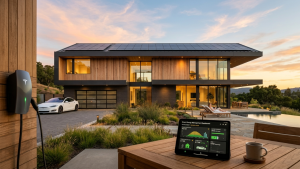
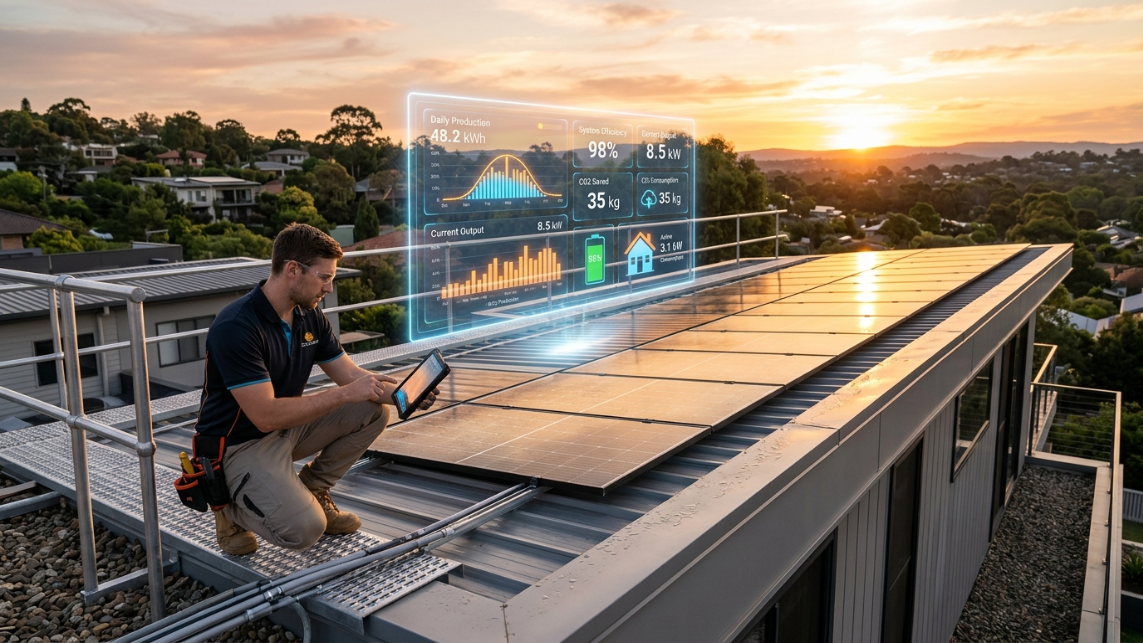
Most modern systems come with apps or dashboards that let you view your energy production at a glance. Tools like the Enphase app or the SolarEdge dashboard give homeowners access to detailed insights, from daily energy output to long-term trends. But beyond the numbers, these platforms tell a story. They show whether your system is living up to its potential, or quietly falling short.
Without monitoring, underperformance can go unnoticed for months. That means lost savings, reduced efficiency, and missed opportunities to fix problems early. Simply put, if you’re not monitoring your system, you’re not fully benefiting from it.
The Subtle Warning Signs of Underperformance That Solar Performance Monitoring and Solar Tracking Can Reveal Early
Solar systems don’t usually fail dramatically. Instead, they decline slowly, almost silently. That’s why recognizing early warning signs is so important and why solar tracking plays a key role in catching them.
One of the first signs is an unexpected drop in energy production. Maybe your electricity bills start creeping up again, or your system isn’t generating as much power as it did last year during the same season. This kind of output drop often signals that something isn’t right.
Another sign is inconsistency. Solar production should follow a fairly predictable pattern based on weather and sunlight hours. If your system’s output fluctuates without a clear reason, it could indicate a technical issue or shading problem.
Then there are fault alerts. Many monitoring systems send notifications when something goes wrong, whether it’s an inverter issue, a disconnected panel, or a wiring fault. Ignoring these alerts can lead to bigger problems down the line.
And finally, there’s long-term underperformance. If your system consistently produces less energy than expected, even without obvious faults, it’s a clear sign that something needs attention.
Common Reasons Why Solar Panels Underperform and How Solar Panel Monitoring Helps Identify the Root Cause
Once you notice underperformance, the next step is understanding why it’s happening. Solar systems are reliable, but they’re not immune to issues. The good news? Most problems can be identified and fixed, when you have proper monitoring in place.
One of the most common causes is dirt and debris. Dust, leaves, and bird droppings can block sunlight and reduce efficiency. It might seem minor, but even a thin layer of grime can make a noticeable difference. This is why many homeowners eventually realize that dirty panels affect output more than they expected.
Shading is another major factor. Trees grow, buildings change, and new obstructions can block sunlight over time. Even partial shading can impact the performance of an entire panel string.
Equipment issues also play a role. Inverters, which convert solar energy into usable electricity, can fail or degrade over time. Wiring problems, loose connections, or faulty components can all lead to reduced output.
Weather-related damage is another possibility. Storms, hail, or extreme heat can affect panel efficiency or cause physical damage that isn’t immediately visible.
With effective solar panel monitoring, you can pinpoint these issues quickly. Instead of guessing, you’ll have data that shows exactly where and when performance dropped, making troubleshooting faster and more accurate.
How Real-Time Solar Tracking and Solar Monitoring Data Help You Take Immediate Action Before Losses Add Up
Real-time data changes everything. Instead of reacting to problems weeks or months later, you can address them as soon as they appear. That’s the real power of combining solar monitoring with solar tracking.
For example, if your system suddenly produces less energy on a sunny day, your monitoring app will show it instantly. You don’t have to wait for your next electricity bill to notice something’s off.
Real-time insights also help you understand your energy habits. You can see when your system produces the most power and adjust your usage accordingly, running appliances during peak production hours, for instance.
Another advantage is faster maintenance. When you receive a fault alert, you can contact your installer right away. This reduces downtime and ensures your system gets back to optimal performance as quickly as possible.
And then there’s kWh tracking. Monitoring how many kilowatt-hours your system produces over time helps you measure performance against expectations. It’s not just about spotting problems, it’s about verifying that your investment is delivering real value.
Comparing Monitoring Platforms and Choosing the Right Solar Performance Monitoring Tools for Your Needs
When it comes to comparing monitoring platforms, not all systems are created equal. Some offer basic data, while others provide detailed insights down to the individual panel level.
The right platform depends on what you value most. If you want simplicity, a user-friendly app with clear visuals might be enough. But if you’re someone who likes digging into data, a more advanced system could be a better fit.
Look for features like real-time updates, historical data tracking, and customizable alerts. These tools make it easier to stay informed and take action when needed.
Integration is another factor. Some platforms connect with smart home systems, allowing you to optimize energy usage automatically. Others offer remote diagnostics, so technicians can identify issues without needing to visit your property.
Ultimately, the goal is the same: visibility. The more you can see and understand, the better equipped you are to maintain your system’s performance.
How Smarter Monitoring Helps Homeowners Stay Ahead with Long-Term Energy Confidence
Monitoring is not something to think about after installation, it’s part of how a solar system stays reliable over time. When homeowners can clearly see what their system is producing, they’re in a much better position to understand performance day to day.
Modern monitoring setups are designed to simplify what would otherwise be complex data. Instead of guessing whether everything is working as expected, users get a clear view of energy production, usage patterns, and system behavior in real time.
When something changes, like a sudden dip in output or an unusual pattern, the data makes it easier to notice early. That means issues can be checked before they turn into long-term performance loss.
The real value is consistency. Homeowners stay connected to how their system is performing without needing technical knowledge. Over time, this creates confidence in the system’s reliability and helps ensure it continues to deliver the savings it was designed for.
Stay In Control of Your Energy Future with Smarter Solar Insights
Solar is more than a one-time upgrade; it’s an ongoing relationship with your energy system. And like any relationship, it needs attention to thrive. Ignoring performance is easy, especially when everything seems fine on the surface. But small issues can quietly grow into bigger ones, affecting both your savings and your system’s lifespan.
This is where solar monitoring proves its true value. It keeps you connected, informed, and in control. Instead of wondering whether your panels are doing their job, you’ll know, with clear data and real-time insights guiding every decision.
If you’ve already invested in solar, the next step is making sure it continues to deliver. And if you’re just getting started, building monitoring into your system from day one is one of the smartest choices you can make.
Ready to take that step? set up monitoring for your system and make sure your solar investment works as hard as it should. Because clean energy isn’t just about installation, it’s about performance, consistency, and peace of mind for years to come.